
How to Use a Moka Pot: The Cuban Cafetera Guide
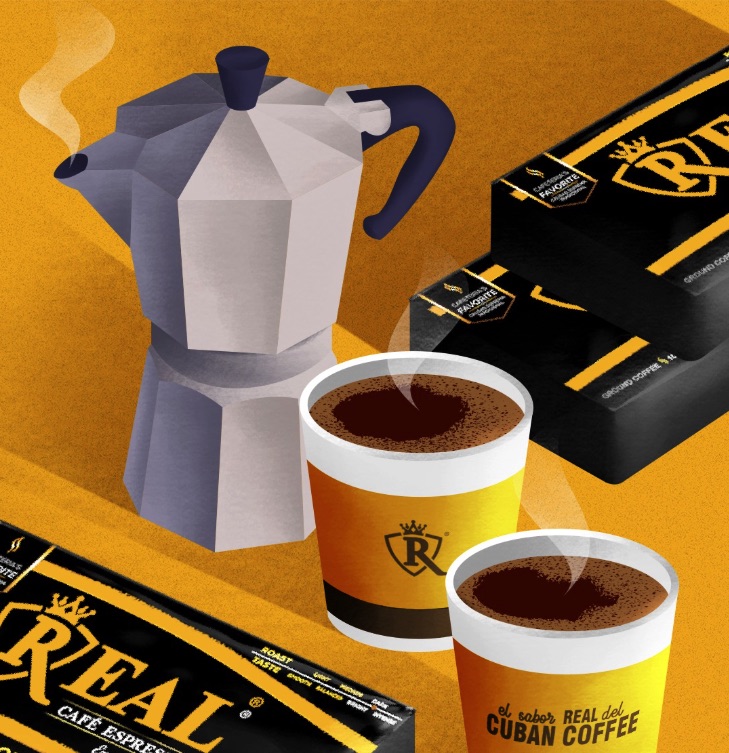
If you grew up in a Cuban household, the cafetera was already on the stove before you were fully awake. That distinct hiss and gurgle — coffee pushing up through the filter — is the sound of morning in Miami. But if you’re new to stovetop espresso, the cafetera can feel a little intimidating. Get it right, and it makes one of the best cups of coffee you’ll ever have. Get it wrong, and you end up with bitter, burnt espresso that puts you off the whole thing.
This guide covers everything: how to brew, how to dial in your grind, what mistakes to avoid, and how to keep your cafetera in good shape for years.
What Is a Cafetera?
A cafetera — also called a moka pot — is a stovetop coffee maker that brews espresso-style coffee by passing pressurized hot water through finely ground coffee. It was invented in Italy in 1933, but it became the heart of Cuban coffee culture. Walk into any Cuban home or ventanita and you’ll find one on the stove.
They come in different sizes — 3-cup, 6-cup, and 9-cup are the most common. The size refers to espresso-sized servings, not full mugs. A 6-cup cafetera makes enough for a colada shared between a few people, or a few cortaditos.
What You Need
- A stovetop cafetera (moka pot)
- Finely ground espresso coffee — Café Real Ground Espresso is ground specifically for this
- Filtered water
- A stovetop or portable burner
How to Brew: Step by Step
Step 1: Fill the bottom chamber with water. Unscrew the cafetera and fill the bottom chamber with cold or room-temperature water up to just below the pressure release valve. Never cover the valve — that’s a safety mechanism, not a fill line.
Step 2: Fill the filter basket with coffee. Place the metal filter basket into the bottom chamber and add your ground coffee. Fill it level with the top — do not pack or tamp it down. The coffee should sit loose in the basket. Packing it increases pressure and leads to bitter, over-extracted espresso.
Step 3: Screw the top on firmly. Make sure the rubber gasket is seated correctly and screw the two chambers together tightly. Use a kitchen towel if the bottom is wet — you want a good seal.
Step 4: Place on the stove over medium-low heat. This is where most people go wrong — they use too high a flame. Medium-low heat gives the water time to heat evenly and produce a steady, controlled brew. High heat rushes the process and burns the coffee as it comes through.
Step 5: Leave the lid open and watch. Keep the lid flipped up so you can see when the coffee starts coming through. You’ll hear it before you see it — a soft gurgling sound. Once coffee starts flowing, it will be dark brown. When it starts to sputter and lighten in color, it’s almost done. Remove it from the heat just before it finishes — the residual heat in the pot will complete the brew without scorching it.
Step 6: Pour immediately. Don’t let the coffee sit in the cafetera after brewing. It will continue cooking against the hot metal and turn bitter. Pour it right away.
Getting the Grind Right
Grind is one of the most important variables in cafetera brewing. You want a medium-fine grind — finer than drip coffee, but not as fine as espresso machine powder. If the grind is too fine, it clogs the filter and the coffee comes out bitter and over-extracted. Too coarse, and it’s watery and flat.
If you’re buying pre-ground, look for coffee labeled specifically for moka pot or espresso. Café Real Ground Espresso is ground at the right consistency for stovetop brewing — you don’t need to adjust anything.
Common Mistakes to Avoid
- Packing the coffee down. The cafetera needs space for water to pass through. Tamping it like an espresso machine will over-pressurize the pot and produce bitter, harsh espresso.
- Using high heat. The slower the brew, the better the flavor. High heat is the number one cause of bitter cafetera coffee.
- Letting it sit on the stove after it’s done. Pull it off the heat as soon as it finishes. Every second after that, it’s burning.
- Using old or stale coffee. The cafetera amplifies everything — fresh coffee will taste incredible, stale coffee will taste like burned rubber.
- Overfilling the water chamber. Water above the valve means pressure has nowhere to go. Always stay below it.
How to Make Espumita with Your Cafetera
If you want to make authentic Cuban espresso, you need espumita — the golden foam that sits on top. Here’s the traditional method: as soon as the first few drops of coffee come through, pour them into a small cup with sugar (about 1 teaspoon of sugar per espresso serving). Whip that together vigorously with a spoon until it turns into a thick, pale paste. Then pour the rest of the coffee over it and stir gently. The espumita floats on top and makes every sip smoother. Try it in a café con leche for a morning that starts exactly right.
Cleaning and Caring for Your Cafetera
A well-maintained cafetera will last decades. Here’s how to take care of it:
- Never put it in the dishwasher. The heat and detergent degrade the aluminum and destroy the rubber gasket.
- Rinse with warm water only. Soap strips the seasoning that builds up inside the pot over time — that layer actually improves the flavor of your coffee. Rinse well with warm water and let it air dry completely before storing.
- Check the gasket regularly. The rubber ring inside the lid wears down over time. If you notice your cafetera leaking steam from the sides during brewing, the gasket needs replacing. They’re inexpensive and available at most kitchen stores.
- Store it disassembled. Leaving the pot screwed together traps moisture inside and can cause mold or rust. Store it with the two chambers separated and the basket removed.
- Season a new cafetera before first use. Run three full brews with coffee grounds and discard the results. This removes any metallic taste from the new aluminum and builds up the initial seasoning layer.
The Right Coffee Makes All the Difference
The cafetera is only as good as the coffee you put in it. Café Real has been the espresso of choice in Cuban homes and cafeterias across Miami for over 70 years — ground to the right consistency for stovetop brewing, with the bold, full body that Cuban espresso is known for.
Ready to taste the difference?
Shop Café Real whole bean and ground espresso — trusted by 1,000+ locations across the US.
Shop Now→