


How to Make a Cuban Colada at Home
Walk into any Cuban bakery in Miami and you’ll see it: a large styrofoam cup sitting on the counter with a cluster of small plastic cups arranged around it. Someone reaches over, fills each one, passes them around. No one asked. No one needed to. This is the colada — and the sharing is the whole point.
A colada isn’t just strong coffee. It’s a ritual. Understanding how to make one at home means understanding what it is first.
What Is a Cuban Colada?
A colada is a large portion of Cuban espresso — typically 4 to 6 shots — brewed as a single pull and served in one styrofoam cup with several small plastic cups (tacitas) on the side. It’s designed to be divided and shared. You pour a round, everyone drinks, and the conversation starts.
It’s the Cuban equivalent of a coffee pot in an office — but stronger, sweeter, and served with a lot more personality.
In Miami, coladas are the standard mid-morning and mid-afternoon break. They move through bakeries, construction sites, office break rooms, and ventanitas at a pace that tells you everything about the city’s relationship with coffee.
Why the Colada Is Meant to Be Shared
The ritual dates back to Cuban coffee culture, where coffee was the daily pause — the reason to stop working, gather, and talk. When Cuban exiles brought that culture to Miami in the 1960s, the colada came with it.
The small plastic cups aren’t just portion control. They’re an invitation. Pouring someone a tacita is an act of hospitality. Declining one is mildly unusual. Sharing a colada is how you take a break together.
At ventanitas across Miami — the walk-up windows that define Cuban coffee culture — coladas are ordered for groups. The server pulls the shot, pours the espumita, and sends it out with a stack of small cups.
What You Need
To make a colada at home, you need:
Cuban espresso coffee — the bean matters (more on this below)
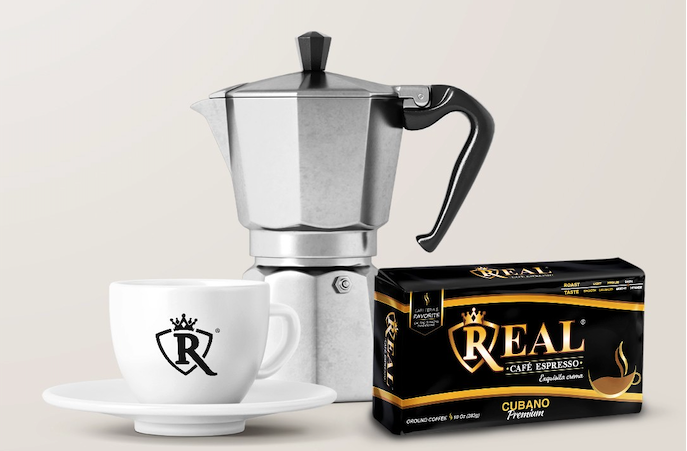
A moka pot — a stovetop espresso maker; a 6-cup moka pot is standard
Raw cane sugar — not white sugar, not brown sugar; turbinado or raw cane
A small bowl or cup for whisking the espumita
A spoon for whisking
A large cup to serve from
Small cups to share
No espresso machine required. The moka pot is the tool that built Miami’s coffee culture.
How to Make the Espumita
The espumita — the thick, pale foam that defines Cuban espresso — is the most important part of the process. It’s what separates a real colada from strong coffee with sugar stirred in.
Put 2–3 teaspoons of raw cane sugar in a small cup or bowl. When the moka pot starts to pull, catch the first few drops of espresso — just the first 10–15 seconds — and add them directly to the sugar. Stop the moka pot from pouring.
Whisk immediately and aggressively with a spoon. The goal is to turn the sugar and those few drops of espresso into a thick, light-colored paste. This takes 30–60 seconds of fast whisking. The mixture should go from dark and liquid to pale, thick, and creamy.
When your espumita looks like light caramel mousse, let the rest of the moka pot finish pulling. Pour the remaining espresso over the espumita and stir gently to combine.
How to Make a Cuban Colada: Step by Step
1. Fill your moka pot — water to just below the valve, coffee grounds tamped lightly in the basket. Use a medium-fine grind.
2. Start the pull — set it on medium heat. Watch for the espresso to start coming through.
3. Catch the first drops — as soon as espresso starts flowing, tilt the pot to pour the first 10–15 seconds into your sugar bowl. Let the rest pull into your serving cup.
4. Whisk the espumita — vigorously, immediately. Don’t wait. The heat helps the foam form.
5. Combine — pour the espresso over the espumita. Stir once, gently.
6. Pour into tacitas — divide into small cups. Serve immediately. Colada waits for no one.
Tips for Getting It Right Every Time
Don’t over-extract. Use medium heat, not high. Let the moka pot build slowly.
Whisk fast and early. The espumita forms best when the drops are still hot. If you wait, it won’t foam properly.
Use raw cane sugar. White sugar produces a thinner foam. The molasses in raw cane sugar is what gives espumita its body.
Share it. A colada drunk alone from a large cup isn’t really a colada. Pour it into small cups, even if it’s just two of you.
The Coffee Makes or Breaks It
A colada is only as good as the coffee you use. Cuban espresso requires a bean that can withstand dark roasting without turning bitter — one that produces a thick, rich crema under pressure and carries an aroma strong enough to fill the room.
Café Real uses a blend of Arabica and Robusta beans roasted to a deep, even dark. The Arabica brings complexity and natural sweetness. The Robusta brings the body and crema that the espumita technique needs to work. Together, they produce the full-bodied, balanced cup that’s been behind the counter at Miami’s most trusted bakeries and cafeterías for over 70 years.
For a colada that tastes like the real thing, the coffee has to be right.
Try a cortadito instead
If you’re making coffee for one instead of a group, the cortadito is the move — espresso cut with a small amount of steamed milk, built for a solo moment. Here’s how to make one.
Shop Café Real at AllCoffee.com →
Free shipping on orders over $100.
Ready to taste the difference?
Shop Café Real whole bean and ground espresso — trusted by 1,000+ locations across the US.
Shop Now→



3 thoughts on “How to Make a Cuban Colada at Home”