


What Is Espumita? The Secret to Authentic Cuban Espresso
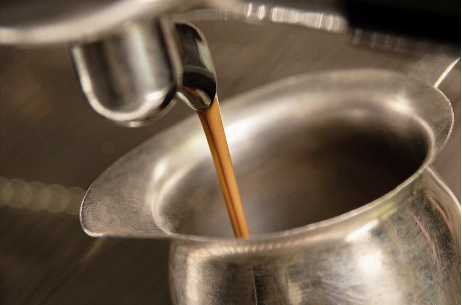
If you’ve ever ordered a cafecito at a Miami ventanita and noticed a thick, golden foam sitting on top of the espresso — that’s espumita. It’s not a garnish. It’s not optional. It’s the defining feature of authentic Cuban espresso, and making it well is the difference between a good cafecito and a great one.
What Is Espumita?
Espumita — Spanish for “little foam” — is a dense, caramel-colored foam made by whipping sugar with the first few drops of freshly brewed espresso. The result is a thick, glossy paste that gets poured back into the rest of the coffee, creating a layered drink with a sweet, creamy top and a bold espresso base underneath.
It’s not steamed milk. It’s not whipped cream. It has no dairy in it at all. Espumita is made entirely from sugar and coffee — and the technique is everything.
Why Espumita Matters
Espumita does more than sweeten the coffee. When made correctly, it changes the texture and flavor of the entire drink. The whipping process introduces air into the sugar and coffee mixture, creating a foam that’s stable enough to sit on top of the espresso without dissolving immediately.
That foam acts as a buffer — slowing the release of bitterness, rounding out the flavor, and giving the cafecito a richness that simply stirring in sugar never produces. A cafecito with proper espumita tastes smoother, fuller, and more complex than one without it.
It also tells you something about who made it. A thick, golden espumita on top of your cafecito means someone took the time to do it right.
What You Need
Coffee: A dark roast Cuban espresso blend, brewed strong. The first drops need to be concentrated — watery coffee won’t produce good espumita.
Sugar: White granulated sugar. The ratio matters more than the brand.
A small cup or container: Something narrow that lets you whip efficiently.
A spoon: A small teaspoon works best.
The Sugar-to-Coffee Ratio
Getting the ratio right is the most important part. Too much sugar and the espumita becomes grainy and heavy. Too little and it won’t hold its structure.
The standard starting point: 1 teaspoon of sugar per shot of espresso. For a full cafecito (2 shots), use 2 teaspoons. Adjust to taste once you’ve made it a few times — some prefer it sweeter, some less so.
The key is that the sugar goes in first, before most of the coffee is brewed.
How to Make Espumita: Step by Step
Step 1 — Set up your cup. Place your small whipping cup next to the moka pot or espresso machine before you start brewing. Have your sugar measured and ready.
Step 2 — Catch the first drops. As soon as the espresso begins to flow — the very first dark drops — redirect them into your whipping cup. You want about 1 to 2 teaspoons of espresso for 2 teaspoons of sugar. These first drops are the most concentrated part of the brew and essential for good espumita.
Step 3 — Add the sugar immediately. Pour your measured sugar into the cup with the first drops of espresso. Work quickly — you want to start whipping while the coffee is still hot.
Step 4 — Whip. Using a small spoon, whip the sugar and coffee together vigorously in a circular motion. Keep going. The mixture will look dark and grainy at first, then begin to lighten and thicken. After 1 to 2 minutes of consistent whipping, it should turn pale golden, thick, and creamy.
Step 5 — Pour the rest of the espresso. Let the remaining espresso finish brewing into a separate cup, then slowly pour it over the espumita. The foam will rise to the top. Serve immediately.
Common Mistakes to Avoid
Using too much coffee in the whipping stage. The espumita needs to be paste-like before you pour the rest of the espresso in. If you add too much coffee at the start, the mixture stays too liquid to whip into foam.
Not whipping long enough. Espumita takes patience. If it looks dark and grainy, keep going. The color change from dark brown to pale gold tells you it’s working.
Using weak coffee. Espumita only works with a strong, dark roast espresso. A light roast or drip coffee doesn’t have the concentration or the crema needed to bind with the sugar properly.
Letting it cool before whipping. Heat is what activates the process. If you wait too long to start whipping, the mixture cools down and the sugar won’t emulsify properly. Start immediately.
Tips for Getting It Perfect Every Time
Use a narrow container. A small shot glass or espresso cup works better than a wide bowl — the narrow shape lets you build friction and volume faster.
Practice the pour. Catching just the first drops takes timing. After a few attempts, you’ll know exactly when to redirect the flow.
Taste and adjust. The sugar ratio is a starting point, not a rule. Cuban espresso is personal — adjust to what tastes right to you.
The right coffee makes it easier. A properly dark-roasted Cuban blend produces a first-drop concentrate that’s richer in oils and crema — exactly what bonds with the sugar to create stable foam. A grocery store dark roast often falls short here.
The Coffee Underneath It All
Espumita technique matters. But the coffee underneath it matters just as much. A well-made espumita on top of weak coffee still produces a weak cafecito. Start with a Cuban espresso blend that’s built for this style — dark, full-bodied, and strong enough to carry the sweetness.
Shop Café Real at AllCoffee.com — free shipping on orders over $100.
Ready to taste the difference?
Shop Café Real whole bean and ground espresso — trusted by 1,000+ locations across the US.
Shop Now→



2 thoughts on “What Is Espumita? The Secret to Authentic Cuban Espresso”