


What is Cuban Espresso? A Guide to the Coffee That Defines Miami
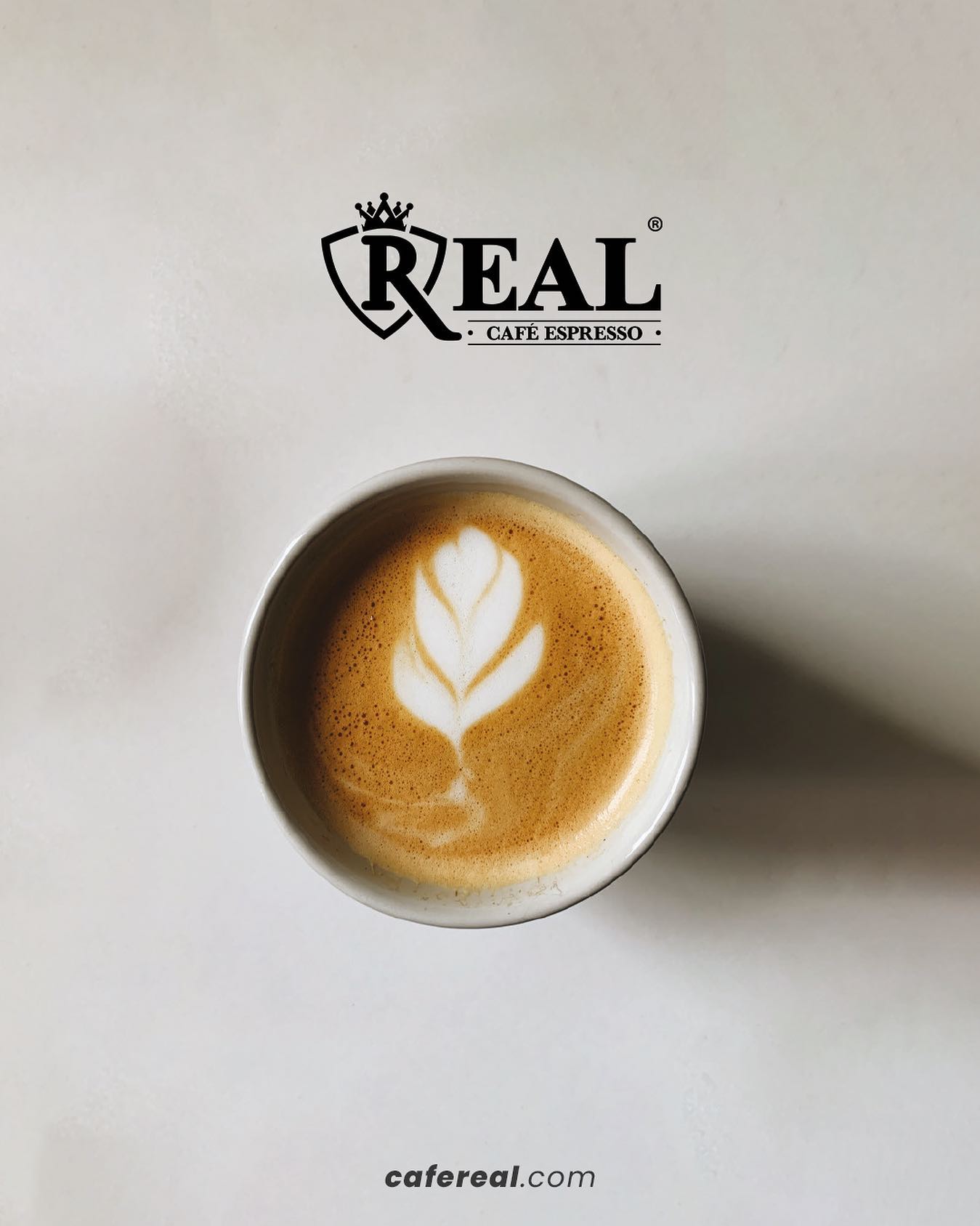
Walk up to any ventanita in Miami and something happens that doesn’t happen at a coffee chain. A small plastic cup lands in front of you. The person across the counter doesn’t ask your name. There’s no size to choose. You get what everyone gets: a shot of dark, thick espresso topped with a layer of pale gold foam, sweet enough to feel like a small luxury, strong enough to carry you through the afternoon.
That cup is Cuban espresso — café cubano — and it’s one of the most culturally specific coffee experiences in the United States.
More Than a Drink — It’s a Ritual
Cuban espresso didn’t start as a menu item. It started as a way of life.
In Cuba, coffee was the punctuation of the day — the reason to pause, gather, and talk. When Cuban exiles settled in Miami in the 1960s, they brought that culture with them. They opened panaderías, cafeterías, and ventanitas — the iconic walk-up windows that became the social heartbeat of Little Havana, Hialeah, and eventually all of South Florida.
The drink stayed the same. Strong. Sweet. Served in small cups meant to be shared.
Today, Cuban espresso isn’t just a Miami tradition. It’s an identity. When Café Real set up in South Florida in 1954, the brand didn’t try to compete with the culture — it became part of it. For over 70 years, Café Real has been the coffee behind the counter at the city’s most beloved bakeries, cafeterías, and restaurants.
What Makes Cuban Espresso Different
At its core, Cuban espresso is a shot of espresso brewed from a dark roast coffee and sweetened during the brewing process — not after. That distinction matters more than it sounds.
The sugar — raw cane sugar — goes into the cup before the espresso pulls. The first few drops of hot espresso hit the sugar and get whisked together with a spoon until they form a thick, pale foam called espumita. The rest of the shot pours over it.
The result is something no amount of sugar stirred in afterward can replicate: a drink with caramel depth, a crema that holds, and a sweetness that’s woven into every sip rather than sitting on top.
The coffee itself matters just as much as the technique. Cuban espresso demands a bean that can stand up to dark roasting without turning bitter — a blend that delivers body, balance, and aroma rather than just heat and caffeine.
Café Real uses a carefully selected blend of Arabica and Robusta beans roasted to a deep, even dark. Arabica brings the complexity and the natural sweetness. Robusta brings the full body, the strength, and the thick, rich crema that’s the hallmark of a properly pulled Cuban shot. Together, they produce something full-bodied and balanced — with an aroma that fills the room before the first sip.
The Language of Cuban Coffee
One of the first things visitors to Miami discover is that ordering coffee requires a small vocabulary lesson. Cuban espresso isn’t a single drink — it’s a family of preparations:
Cafecito — A single shot of Cuban espresso, sweetened with espumita. The base of everything.
Colada — A larger portion of Cuban espresso served in a styrofoam cup with several small plastic cups on the side. It’s meant to be poured and shared — an act of community in a single order.
Cortadito — A cafecito cut with a small amount of steamed whole milk. Slightly mellower, still intensely flavored.
Café con leche — Espresso with a full pour of steamed milk, typically served with Cuban bread for breakfast. The Miami morning standard.
Each preparation has its moment. A cortadito after a long lunch. A colada passed between coworkers at 3pm. A café con leche with tostada on a Saturday morning.
Why the Bean Makes or Breaks It
Cuban espresso culture is exacting. Locals know immediately when a café is using the wrong coffee — the crema is thin, the body is flat, the sweetness doesn’t land. The beans carry the responsibility.
For generations, cafeterías and panaderías across South Florida have turned to Café Real as the standard they can depend on. It’s not branding — it’s the daily reality of 1,000+ locations across Florida that open every morning and reach for the same bag.
The Arabica-Robusta blend is calibrated for exactly this: a dark roast that holds up under pressure, produces the thick crema that espumita needs to form correctly, and carries the seductive aroma that makes a Miami cafetería feel like home the moment you walk in.
Cuban Espresso Beyond Miami
Cuban espresso has spent decades as South Florida’s best-kept secret — beloved by those who grew up with it, unknown to most of the country. That’s changing.
As Cuban culture earns wider recognition in American food media, the drink that’s been powering Miami since the 1950s is getting its moment. And for those who want to experience it without a flight to Miami, Café Real ships nationwide.
The coffee that’s been behind the counter at South Florida’s most trusted bakeries and cafeterías is available to brew at home — whole bean or ground, in the format that fits your kitchen.
Shop Café Real at AllCoffee.com →
Free shipping on orders over $100.
Ready to taste the difference?
Shop Café Real whole bean and ground espresso — trusted by 1,000+ locations across the US.
Shop Now→



One thought on “What is Cuban Espresso? A Guide to the Coffee That Defines Miami”